Miami Design: What is it?
There is no doubt that Miami has come of age as a city and the global increase of interest in all that our city offers speaks to this. As architects and designers, this growth is an exciting opportunity for us to redefine what the future of our city looks like in conversation with our culture, climate, and history.
When designing for a city like ours that is relatively young there can be a temptation to look to places like New York or European capitals for inspiration on how to shape our buildings and spaces. However, as proud Miami architects, emulating these cities denies us the opportunity to shape our own identity. Spaces and buildings built for northern climates simply do not translate well to Miami’s subtropical climate.
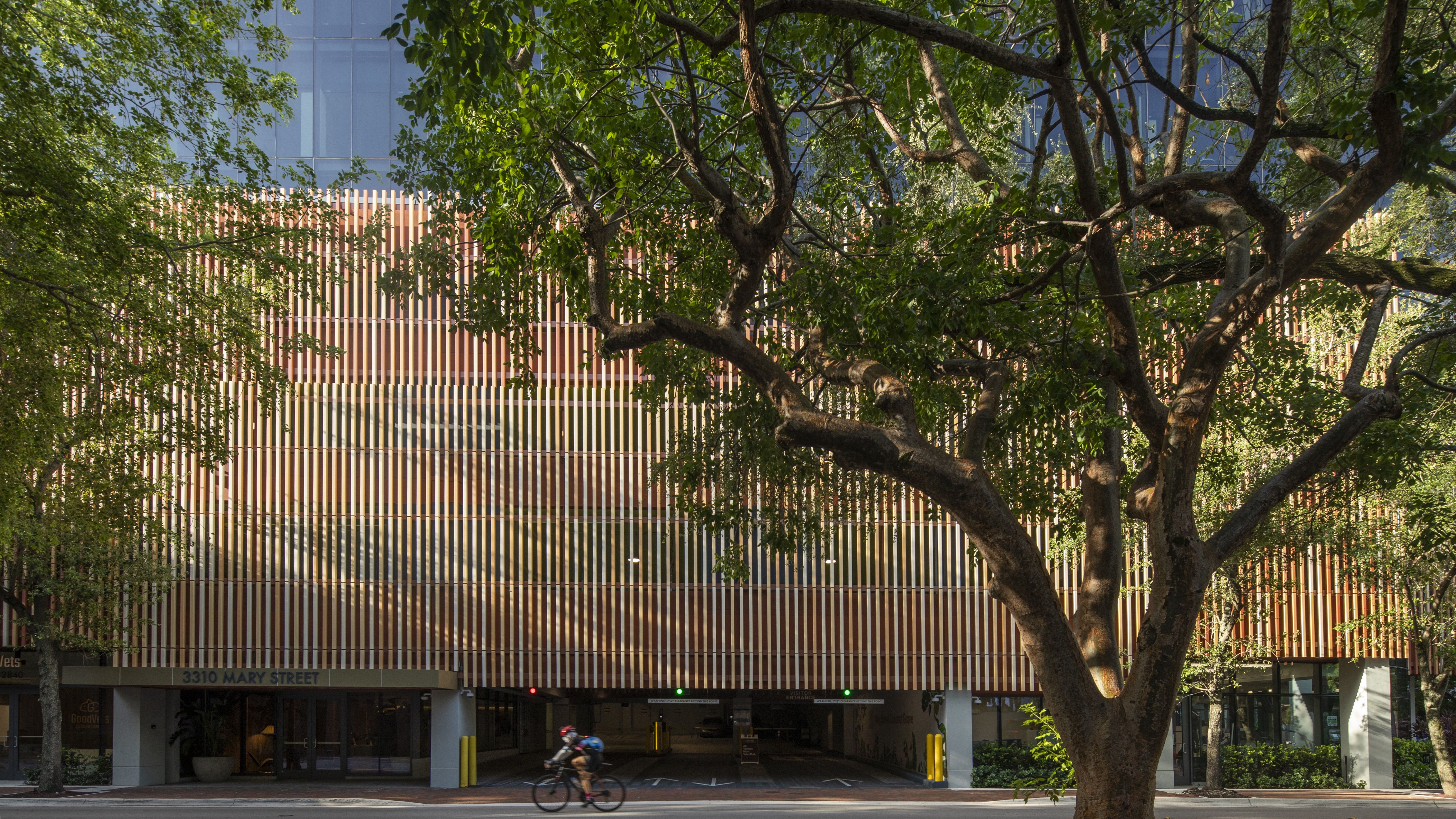
We see the amount of grey and black “industrial” buildings going up in Wynwood that attempt to resemble Brooklyn and as designers we can’t help but shake our heads. We see the masses of bland skyscrapers lacking distinguishing features that could be found anywhere. These buildings fail to capture the vibrant spirit of our city. Even when design fairs such as Design Miami come to showcase annually, very little is shown that really celebrates Miami’s visual language nor platforms Miami designers to a wider audience. These circumstances make us wonder: Why not? We know plenty of great designers and we are proud of the work done here. So how can we define Miami design as it stands now and how will it evolve in the decades to come?
Miami’s Visual Identity and History
Although Miami is a young city, there is an aesthetic and architectural vocabulary and palette that is distinctly our own, and there have been moments where Miami’s design vision has captured the attention and admiration of the world.
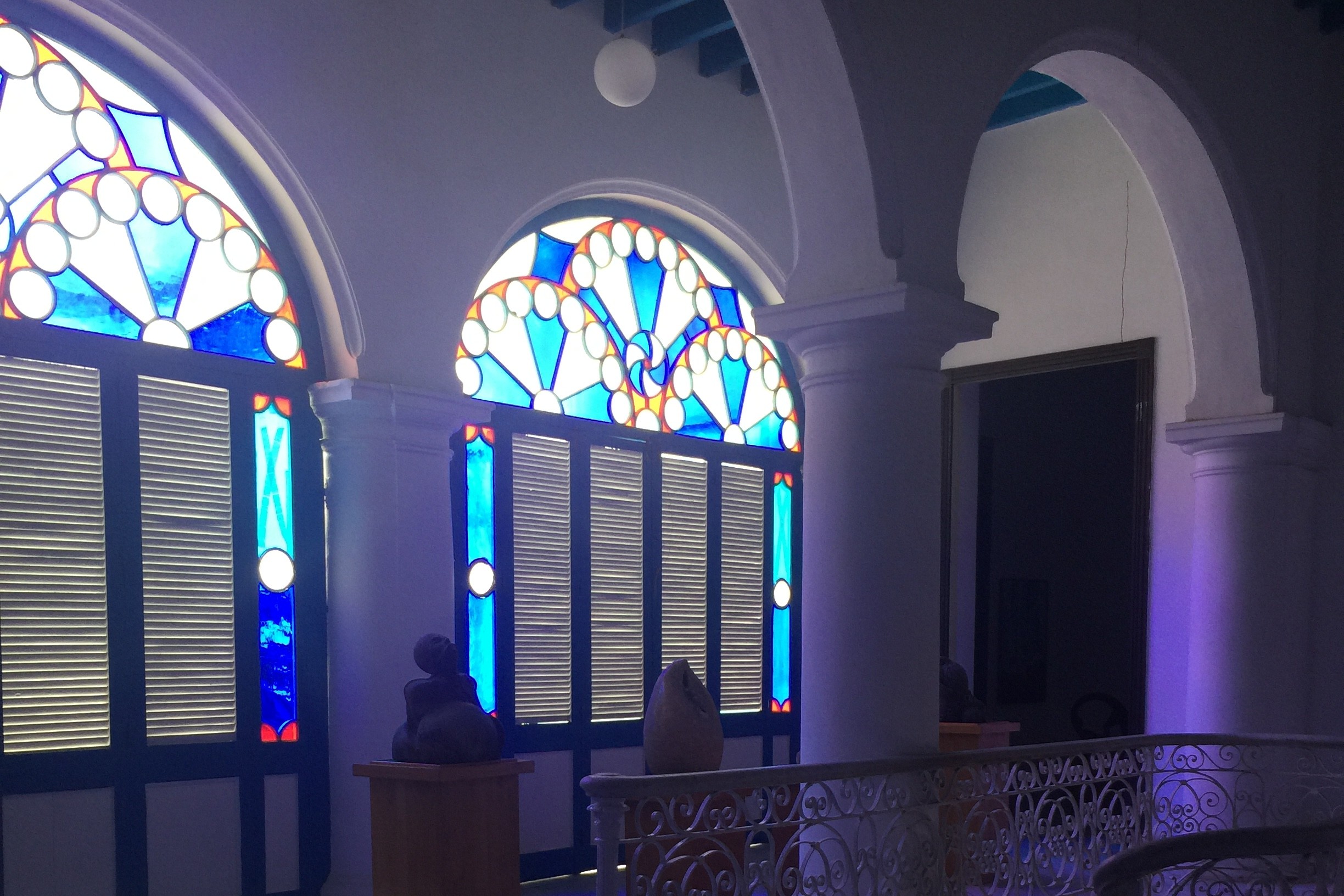
In the 1920s, we had our own version of Art Deco, bursting with creative joie de vivre. Art Deco, Miami Beach style, was festooned with tropical motifs, palms and shells, and came in delightful colors—different from New York, Paris, and even different from Havana’s Art Deco. Instead, Miami’s iteration was inspired by our tropical nature, our sunlight, and the style used materials such as terrazzo and concrete in a manner that was magical and fun.
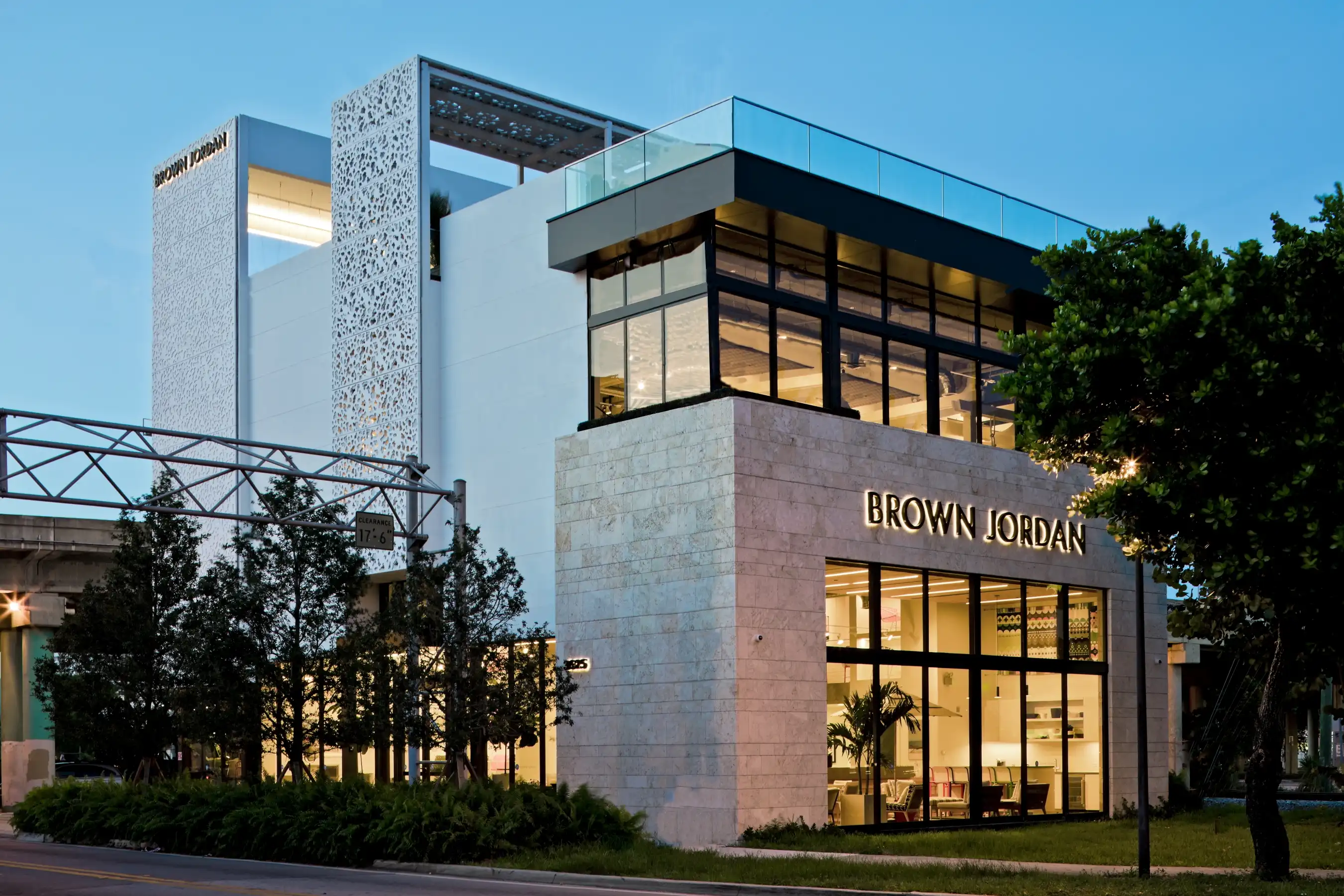
Later, in the 1950s and 60s when the Rat Pack and Bond came to Miami, MiMo (Miami Modern) was born. Morris Lapidus was one of the few to brilliantly flesh-out this style and all along the coast the vernacular of MiMo spread: pencil thin columns, fun geometric shapes, “cheese hole” cutouts on concrete, bold graphic patterns, and brise soleil sunscreens. All these elements coalesced to create the bright fantasy world of Miami and Miami Beach—a truly futuristic view of tropical modernism.
Two decades later in the 80s, during the Miami Vice era, Arquitectonica defined the Miami skyline; buildings with holes, bold shapes, and bright colors started to attract widespread attention. Barbara Capitman fought to save the Deco district and Leonard Horowitz came up with a palette, which revitalized Miami’s Art Deco colors to give us a fresh new “Miami Beach palette.” Those opening credits of Miami Vice with the playful, brightly colored forms of the Arquitectonica Imperial and Atlantis, alongside the shots of the Deco District, drove fashion and design globally at the time.
Our Architectural Roots and Influences
Before forming Touzet Studio, Carlos and I both worked at Arquitectonica (he was one of their first employees and we both worked there as VPs at different times). Any good Miami designer interested in modern architecture wanted to work there; they were one of the very few global design firms that produced modernist work. All the other leading Miami firms were still enamored with a faux “Mediterranean” or a Postmodern vocabulary, which Carlos and I greatly disliked. Postmodernism seemed trendy and bloated, and a lot of it was produced cheaply with foam columns and fake details. We loved working at Arquitectonica and at that time there was a sense that they were searching for an authentic and unique architectural and design expression for Miami. Laurinda Spear loved Lapidus’ work and patterns inspired by nature and Bernardo Fort-Brescia was a master of bold geometries—both were unafraid of embracing color, form, and whimsy.
Carlos and I considered ourselves contextual modernist architects, in the sense that we felt buildings needed to be grounded in their specific time and place rather than weak imitations of another. We like to say that we were born in Cuba but raised (mostly) on Miami soil. We both did a brief stint in the Northeast for college, he at Princeton and I at Cornell. When we met, we quickly discovered that we were both Le Corbusier fans and yet as Cubans we both shared a love for the more decadent, lyrical work of Le Corbusier that came later, when he moved away from the rigidity of an urbanist trying for world domination. Nevertheless, Carlos and I are profoundly grateful that Corbusier’s plans for Havana never came to fruition because it would have erased the vibrancy of the city.
Really, most of our shared passion and inspiration came from our own region and culture. We were both energized and influenced by the work of our predecessors in Cuba, the wider Caribbean, Latin American, and Florida: Porro, Romanach, Candela, Hampton, Politsky. Many of those architects shaped modernism to suit their culture and their climate, decolonizing themselves and creating a new architectural language. That type of super sexy, tropical modern was much more our style than the cold, harsh modernism of the Bauhaus. We loved the sunscreens and the riffs on colonial forms that tropical modernism provided, the nods to African roots and the joyful use of color and form. The bold experimentation that our predecessors achieved with concrete. Even looking deeper at the history of our collective regional roots, we love technical contribution of Moorish, African, and Indigenous builders who truly understood how to build for heat, water, and wind, and their innovations hold so many lessons for designers now.
Miami Design: How We See It
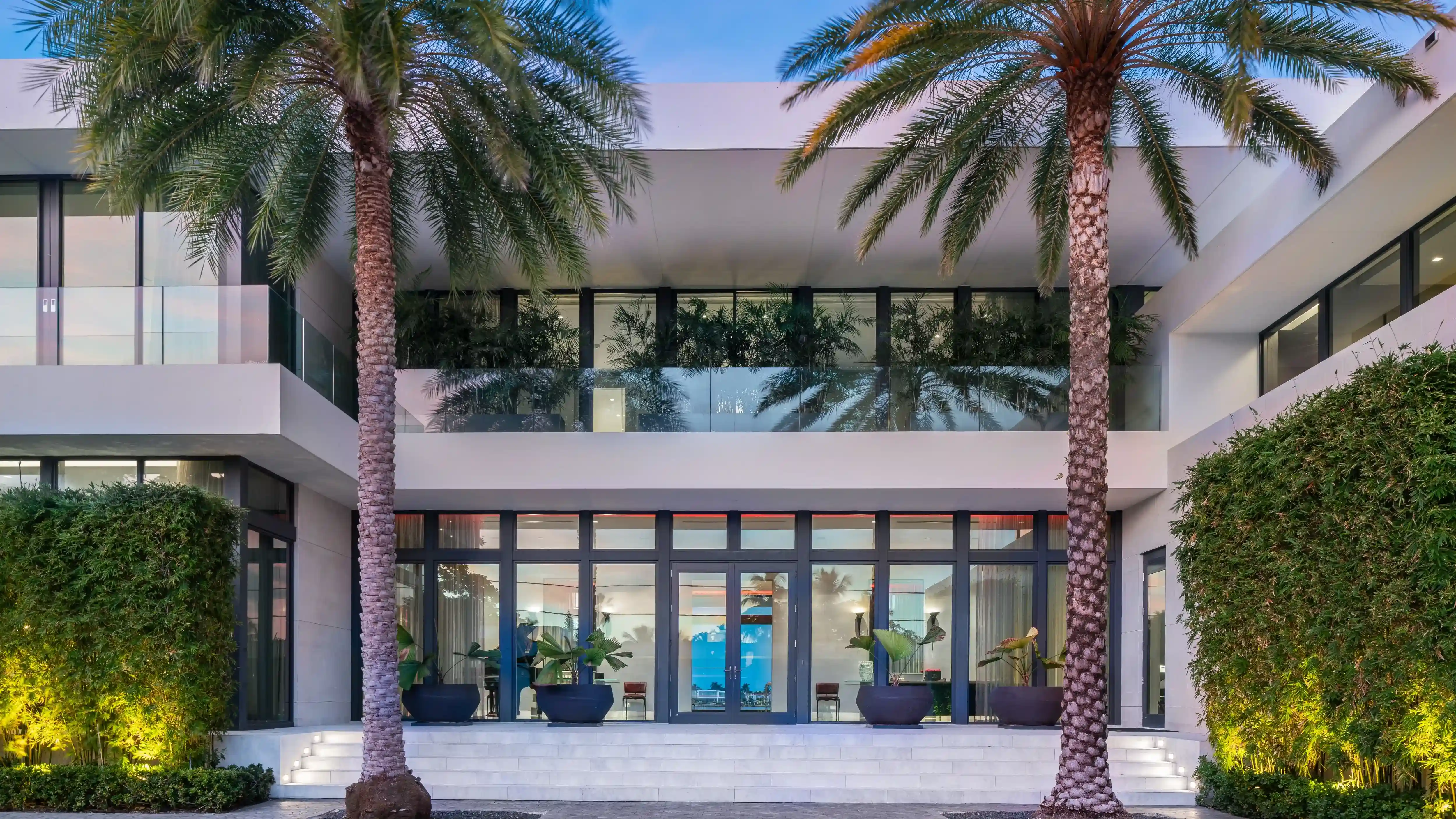
So, what is Miami Design? With so many different voices and perspectives it would be reductive to call it any one thing, yet there are common threads across these styles. As we see it, elements that are fun, modern, and sensual are essential to Miami’s visual language. True Miami design must also respect both climate and culture. Any real Miamian will you tell you that Miami is a collection of several distinct neighborhoods, each with its own identity. Coconut Grove feels very different than South Beach, and Brickell is nothing like Coral Gables, and so on. And we like it that way. We appreciate a melting pot of style and cultures that celebrates variety rather than trying to condense it into a homogenous One.
Yet in the eyes of the rest of the world Miami Beach and Miami all blur together, suggesting some common thread. So, what is it?
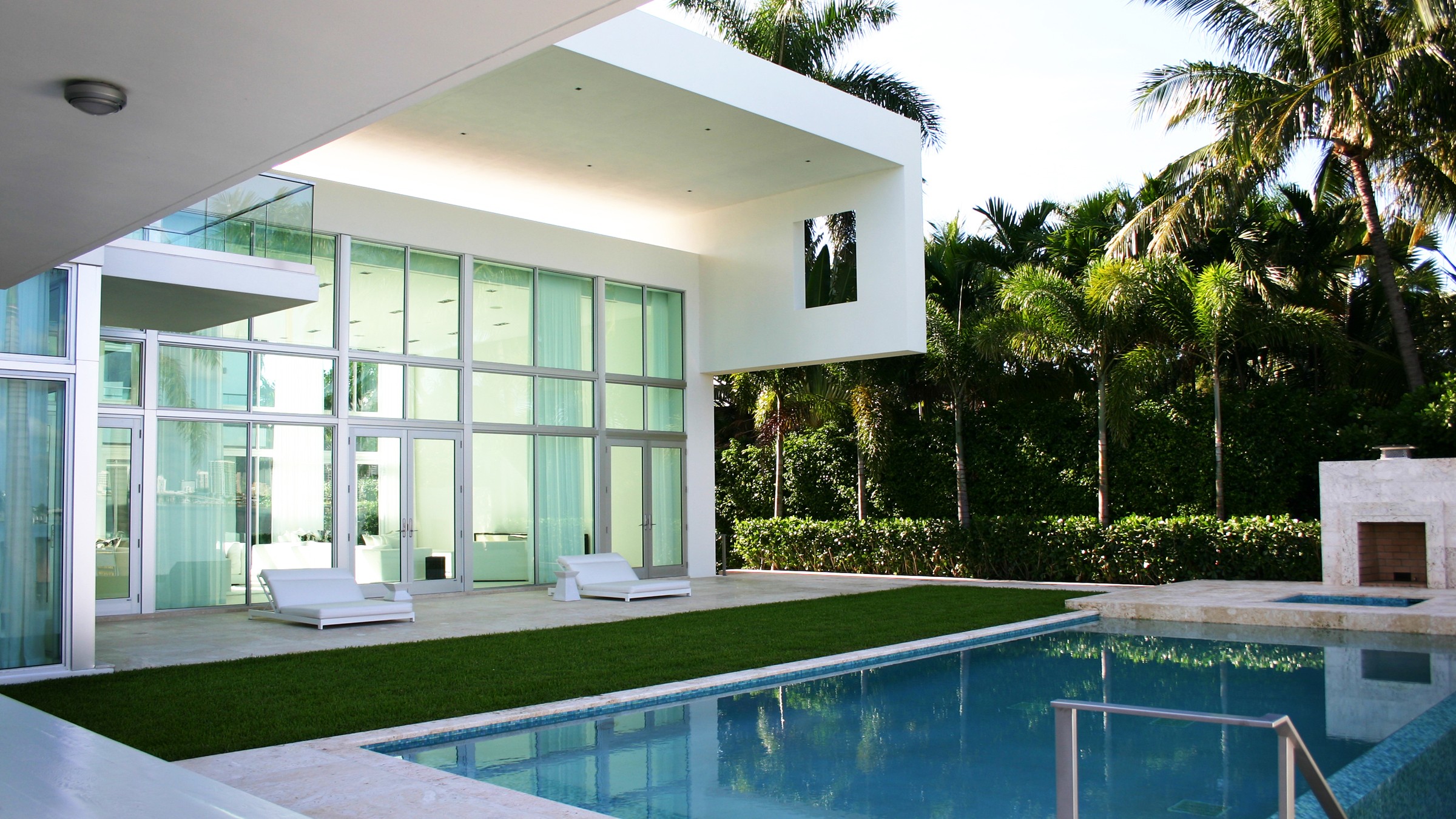
Miami’s design language is rooted in our sunny but challenging climate, and somewhat wild nature. It is lighter, brighter, and freer. When desired, it can immerse us in nature while still having protective boundaries from the sun, heat, and storms when needed. Miami design is balanced.
Our design should also be bold and technologically advanced in preparation for worsening climate challenges. Bold in the use of shape and sculpting of light. It should engage all the senses – for ours is a highly sensual and sensory kind of design of the lush tropics.
New York and LA architects are more than welcome to play in our city, but they should leave their drab greys and buttoned up architecture behind. As the only major subtropical City in the US, Miami should look and feel like nowhere else. We have so much worth sharing with the rest of the world and it’s important that our built landscape communicates some of those values.
.webp)
.webp)
.jpeg)